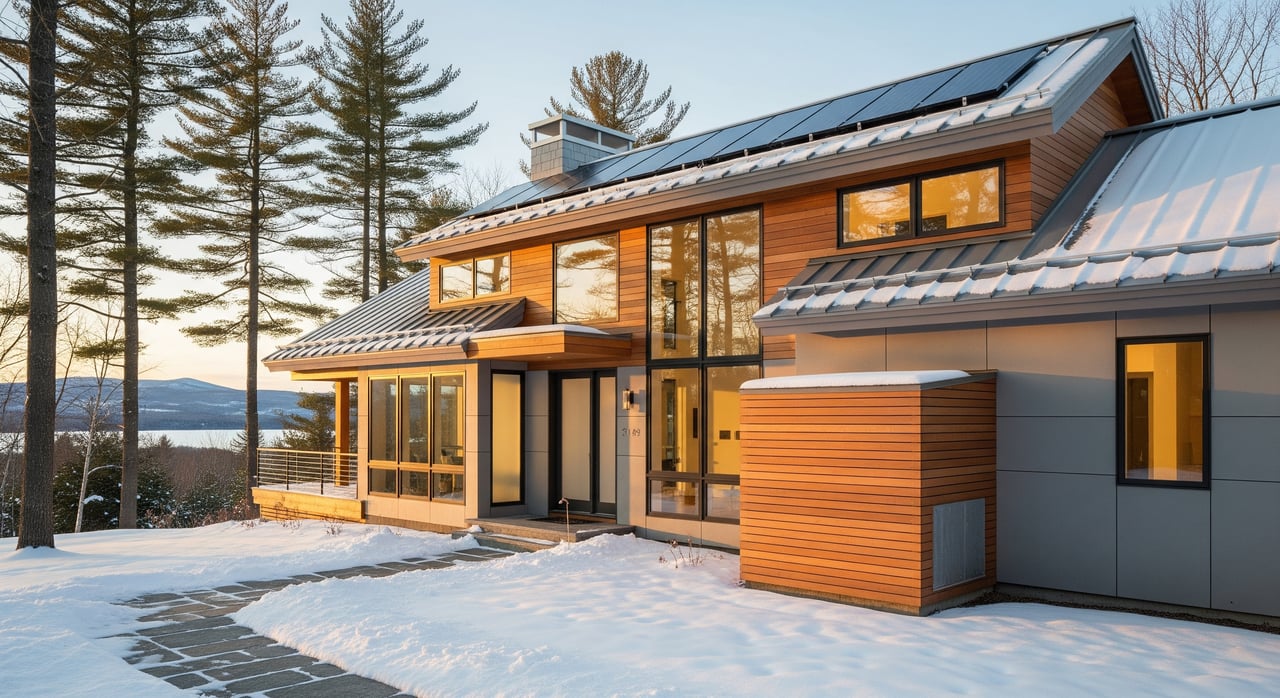
Do Holderness winters leave your home feeling drafty and expensive to heat? You’re not alone. In our cold season, a cozy, efficient home is more than a comfort upgrade. It can lower fuel bills, reduce maintenance headaches, and make your property more attractive when it’s time to sell. In this guide, you’ll learn which upgrades matter most in Grafton County, how to sequence them, where to find incentives, and how to document improvements for buyers. Let’s dive in.
Why upgrades matter in Holderness
Our region has a long, cold heating season. In cold climates, space heating is the largest slice of home energy use. That is why reducing heat loss and choosing efficient heating equipment pays off. The U.S. Department of Energy’s Energy Saver guidance emphasizes that cutting drafts and adding insulation often deliver the best early wins.
Many homes in rural New Hampshire were built before modern insulation and air sealing standards. They often rely on oil or propane. If that sounds like your home, targeted upgrades can lower operating costs while improving comfort room to room.
Start with an energy audit
A home energy audit sets the plan. A qualified auditor uses a blower door test and infrared imaging to find the biggest leaks and insulation gaps. Look for contractors with Building Performance Institute certification to ensure the right diagnostics and safety checks.
A good audit will also size up your heating system and ventilation. With a clear report in hand, you can prioritize improvements that deliver the most comfort and savings first. Keep the report for your records. It can support pricing and buyer confidence if you sell.
Air sealing first
Air sealing reduces uncontrolled cold air entering through gaps and penetrations. Typical targets include the attic hatch, rim joists, sill plates, around chimneys, and plumbing or wiring holes. The DOE’s air sealing guidance lists common leak paths and best practices.
What you gain:
- Fewer drafts and cold spots
- More even temperatures across rooms
- A tighter home that needs less heat to stay warm
For best results, use blower door guided air sealing performed by a trained pro. Ask for pre and post results to document improvements.
Insulate for steady warmth
Insulation slows heat loss so your home stays warm longer with less fuel. In our climate, the usual order is attic first, then rim or band joists, then walls, then basement or crawlspace. The DOE’s insulation guidance covers materials, R values, and installation basics.
Key tips:
- Pair insulation with air sealing for the best payoff
- Manage moisture and ventilation to avoid condensation issues
- In many homes, attic upgrades are straightforward and high value
Insulation is also easy to communicate to buyers. Clear documentation and photos of attic insulation levels can set your listing apart.
Heat pumps for cold climates
Modern heat pumps perform well in cold weather and can cut reliance on oil or propane. The DOE’s heat pump overview explains how they work and why they are efficient. For low temperature performance details, consult NEEP’s cold climate heat pump resources.
Options to consider:
- Ductless mini splits for targeted zones or whole home multi zone systems
- Ducted systems if you already have good ductwork
- Heat pump water heaters for efficient hot water
What you gain:
- Steady, even heat from inverter driven equipment
- Potential operating cost reductions, especially versus oil or propane
- Lower maintenance and no on site fuel storage for many homes
Choose equipment rated for cold climates and have it sized and installed by an experienced pro. Keep manufacturer specs, installer warranties, and any rebate documentation.
Smart thermostats that save
Smart thermostats help you set schedules, control zones, and manage heat pump settings. ENERGY STAR’s thermostat guidance notes that smart controls can deliver modest heating savings when used correctly. They also add convenience with app control and energy reports.
Before you buy, confirm compatibility with your system and whether you need a common wire. If you have a heat pump, look for settings designed for heat pump control.
Windows and doors: smart strategies
Windows are visible and often feel cold to the touch in winter. But full replacement is expensive and may deliver a slower payback than sealing and insulation. Start with these lower cost steps:
- Air seal around window and door frames
- Add storm windows where appropriate
- Use insulating curtains or cellular shades
If your windows are damaged, leaky, or part of a larger renovation, consider ENERGY STAR rated models. Documentation of U factor and SHGC helps buyers evaluate performance claims.
Ventilation and moisture control
When you tighten a home, plan for fresh air. Mechanical ventilation protects indoor air quality and manages moisture, a big deal in cold, humid seasons. Balanced systems with heat recovery ventilators or energy recovery ventilators can bring in fresh air while capturing warmth that would otherwise be lost.
Talk to your auditor or HVAC contractor about ventilation needs after sealing and insulation work. This step keeps your home healthy while you save energy.
Costs and payback basics
Every home is different. Costs and savings depend on your house size, current insulation levels, fuel type, and equipment choices. A practical rule of thumb is to focus on measures with strong returns before moving to larger projects.
A typical order of impact and cost looks like this:
- Smart thermostat
- Targeted air sealing
- Attic insulation
- Rim joist or basement insulation
- Duct repairs and ducted heat pump work
- Ductless multi zone heat pumps
- Wall insulation or full window replacement
Air sealing and insulation often deliver the fastest comfort and savings. Heat pumps can bring big cost reductions compared with oil or propane, especially with incentives. Window projects are great for comfort and appearance, but consider them after the bigger energy wins.
Incentives and financing in New Hampshire
Programs and amounts change, so always check current details before you budget or buy.
- For statewide rebates, contractor lists, and program rules, visit NHSaves.
- To scan all federal, state, and utility incentives, use DSIRE’s New Hampshire search.
- For federal tax credits created or updated by the Inflation Reduction Act, review the IRS energy credits. Confirm eligible items, caps, and documentation.
Keep invoices, model numbers, and contractor certifications. Many rebates require participating contractors, pre approval, and inspections. Some utilities and contractors offer on bill financing or loan programs. Check availability through NHSaves or your local utility.
Choose contractors wisely
The right team protects your home and your investment. Use these tips:
- Start with a home energy audit and blower door test
- For home performance pros, look for BPI certification
- For HVAC installers, ask for NATE certification and cold climate heat pump experience
- Request references and recent cold weather install examples
- Confirm permits with the Holderness building department as required
- Ask about workmanship and manufacturer warranties and service plans
Schedule early if you want work completed before peak heating season.
Sell or buy with confidence
If you plan to sell, energy improvements can boost comfort during showings and reduce buyer concerns about winter costs. Document your work with the audit report, invoices, model numbers, warranty details, and any rebate certificates. Buyers value clear, credible proof.
If you are buying, ask for insulation levels, blower door results if available, the age and type of heating system, and any recent air sealing or ventilation upgrades. A home that proves its winter performance can offer more predictable operating costs.
Holderness winter upgrade checklist
- Book a BPI style energy audit with blower door and infrared
- Seal major air leaks at the attic, rim joists, and penetrations
- Add attic insulation to recommended R levels, then address rim joists and basement areas
- Evaluate a cold climate heat pump for space heating and a heat pump water heater if due for replacement
- Install a smart thermostat and set schedules based on your routine
- Improve windows with sealing, storms, and insulating window treatments; consider replacement only if failing or as part of a renovation
- Balance ventilation with an HRV or ERV if your home tests tight
- Collect and file all documentation for incentives and future resale
Ready to prioritize upgrades that fit your goals and timeline? If you want local guidance on which improvements add the most value for your sale or how to evaluate energy features as a buyer, connect with Juli Kelley. Get your free home valuation and a clear plan for next steps.
FAQs
What is the best order for upgrades in a Holderness home?
- Start with an energy audit, then air sealing, attic and rim joist insulation, HVAC and controls such as a heat pump and smart thermostat, windows if needed, and finally balance ventilation.
Will a heat pump work in New Hampshire’s cold winters?
- Yes, modern cold climate air source heat pumps designed and sized for low temperatures can heat reliably; consult DOE heat pump guidance and NEEP cold climate resources and work with an experienced installer.
Which upgrade gives the biggest comfort boost per dollar?
- Air sealing paired with attic and rim joist insulation usually delivers the largest comfort improvement and energy savings for the cost in cold climates.
Do I need to replace windows before selling my Holderness house?
- Not always; prioritize air sealing and insulation first, then consider window replacement if units are damaged, very leaky, or part of a broader renovation.
Where can I find rebates and trusted contractors in New Hampshire?
- Start with NHSaves for programs and participating pros, check DSIRE’s New Hampshire listings for incentives, and verify contractor credentials through BPI and NATE.