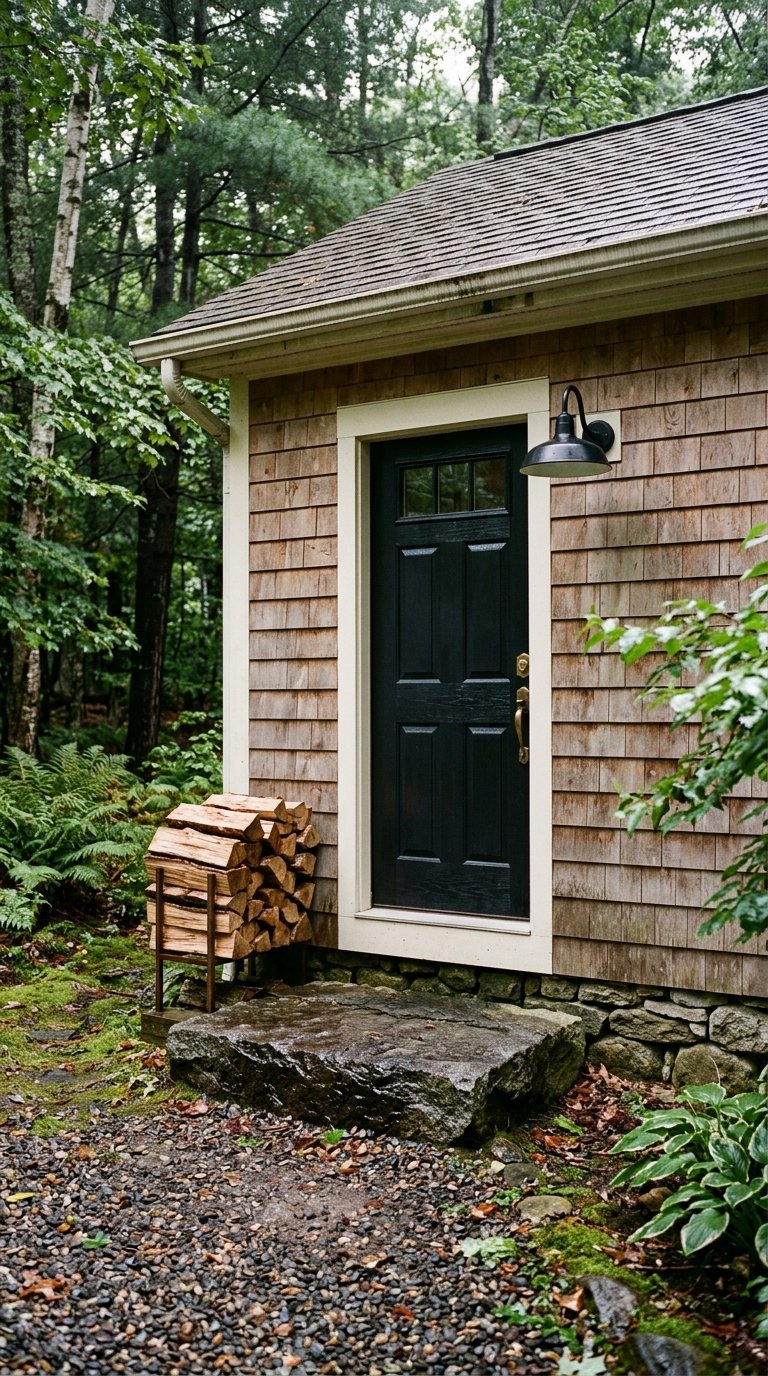
If you are selling a cabin or camp in Rumney, you are not just selling four walls. You are selling a setting, a lifestyle, and a property type that buyers evaluate very differently from a typical house. That can be a big advantage, but only if your home is priced well, presented clearly, and marketed with the right details. Let’s dive in.
Why Rumney cabins attract attention
Rumney has a very specific appeal. It is a small rural town with about 1,458 residents spread across 41.7 square miles, which means buyers are often drawn to space, privacy, and access to the outdoors as much as the home itself, according to Census Reporter’s Rumney town profile.
That outdoor identity matters when you sell. The town’s master plan notes that the White Mountain National Forest covers 42% of Rumney’s land, and that areas like the Baker River corridor and Stinson Lake include houses, cottages, and cabins, many with seasonal use and substantial out-of-state ownership. You can see that context in the Town of Rumney Master Plan.
Rumney also benefits from destination appeal. Rumney Rocks is identified by the U.S. Forest Service as a popular climbing area, and the town’s master plan ties local recreation to tourism and seasonal visitors. In plain terms, your likely buyer may be a local household, a second-home shopper, or someone looking for a rustic getaway near outdoor recreation.
Price and presentation both matter
Even in a market with demand, cabins and camps do not sell themselves. In March 2026, Grafton County had a median sale price of $450,000, homes took 92 days on market, and the average sale-to-list ratio was 96.7%, according to Redfin’s Grafton County housing market data. The same research summary notes a February 2026 Rumney home value estimate of $344,182, up 4.1% year over year.
The takeaway is simple: buyers are active, but they are still selective. Rustic homes can attract real interest, yet condition, pricing, and marketing quality all shape whether your listing stands out or sits.
Focus on confidence, not luxury
When you prepare a cabin or camp for sale, the goal is usually not to make it fancy. The goal is to make it easy for buyers to understand what they are getting and feel confident moving forward.
That starts with the basics. The National Association of Realtors reported in its 2025 home staging snapshot that 83% of buyers’ agents said staging makes it easier for buyers to visualize a property as a future home. The same source supports doing the simple things well.
For most Rumney cabins, that means prioritizing:
- Deep cleaning
- Decluttering
- Brighter lighting
- Fresh paint where needed
- Tidy outdoor areas
- Easy-to-understand utility information
If your property is rustic, buyers usually care most about the features that remove uncertainty. A dry basement or crawl space, a roof that looks maintained, working windows, reliable heat, and clear information on water and septic systems can do more for buyer confidence than decorative upgrades.
Be honest about seasonal use and access
One of the fastest ways to lose buyer trust is to oversell what a property can do. If your camp is seasonal, say so. If access depends on a private road, shared driveway, or seasonal conditions, make that clear up front.
That transparency matters in Rumney. The town’s master plan says Rumney includes 22.72 miles of Class V roads, 10.547 miles of private roads, and 0.835 miles of Class VI highway. You can review those details in the master plan.
For buyers, road type can affect how they think about winter access, maintenance, and year-round usability. If you can answer those questions before they are asked, your listing will feel more trustworthy and easier to evaluate.
Check shoreland, flood, and permitting issues early
If your cabin or camp is near water, this step is especially important. Before you market the property as fully ready for year-round or expanded use, make sure you understand any shoreland, septic, wetland, driveway, or floodplain considerations.
The New Hampshire Department of Environmental Services states that the Shoreland Water Quality Protection Act applies to land within 250 feet of protected waters. Rumney’s planning resources also advise property owners to contact the town about septic systems, wetlands, rivers, ponds, lakes, flood zones, and driveways through the Rumney Planning Board guidance.
This is especially relevant along the Baker River corridor. The town master plan notes that this area is flood-prone and that campgrounds along the river have experienced flooding. If your property has approvals, permits, system records, or important limitations, having that information ready can prevent surprises later.
Use photos that sell the setting
Buyers will almost always see your listing online before they see it in person. That means your photo strategy is not a minor detail. It is one of the biggest factors in how your property is judged.
According to NAR’s 2025 staging snapshot, 81% of buyers said listing photos were the most useful feature in their home search. NAR also reported that more than half of buyers found the home they purchased online in its guidance on maximizing online visibility.
For a Rumney cabin or camp, your strongest image order often looks like this:
- Best exterior or setting shot
- Main living area
- Kitchen
- Sleeping spaces
- Utility or functional spaces
- Deck, porch, firepit, water access, or wooded surroundings
The key is to show both character and usability. Buyers want the dream, but they also want proof.
Write listing copy that feels local
Generic phrases do not do much for a cabin in Rumney. Buyers here are often looking for a place that connects them to the landscape, recreation, or a simpler pace of life. Your marketing should reflect that.
That does not mean making exaggerated promises. It means clearly describing what the property offers, whether that is proximity to Rumney Rocks, access to outdoor recreation, wooded privacy, seasonal enjoyment, or year-round potential if supported by the property’s systems and access.
Strong listing copy also helps buyers understand what kind of property they are seeing. Is it a rustic getaway? A compact year-round home? A camp with seasonal utilities? The more clearly you define it, the more likely you are to attract the right buyer.
Virtual tours help remote buyers decide faster
Many cabin and second-home buyers are not local. Some are shopping from hours away and need to narrow their options before making the drive. That is where a virtual tour can make a real difference.
NAR notes in its article on creating a virtual tour for real estate that virtual tours help buyers better understand layout and can save time for those purchasing from a distance. In a place like Rumney, where road access and site layout may not be obvious from still photos, this can be especially useful.
A virtual tour can help answer practical questions before a showing even happens. Buyers can get a clearer sense of circulation, room sizes, and how the home relates to the land around it.
Time your listing around usability
Spring is often the busiest real estate season. Realtor.com’s 2025 research on the best time to sell identified April 13 through 19 as the best week nationally to list, and it also noted that spring is generally peak season for housing activity.
For a Rumney cabin or camp, though, the best timing is often when the property shows at its most usable. That may be when the driveway is clear, the woods and water are visible, and outdoor spaces look inviting. A good listing launch should match both the market and the property’s strongest season.
Have answers ready before buyers ask
Cabin and camp buyers usually have a practical checklist. If you are prepared with clear answers, your sale can move with less friction and fewer doubts.
Be ready to explain:
- Whether the property is seasonal or year-round
- What type of road serves the property
- How winter access works
- Water source details
- Heating system details
- Septic information
- Any flood, shoreland, wetland, or permitting considerations
- Parking and turnaround options
A clear seller packet can help here. Including a map, utility notes, access instructions, septic details, and any relevant permit history can make your listing easier to evaluate, especially for out-of-market buyers.
Why standing out takes strategy
Selling a cabin or camp in Rumney is different from selling a typical home in a neighborhood setting. Buyers are weighing lifestyle, access, utility systems, and land use details all at once. The listings that stand out are usually the ones that feel clear, well-prepared, and easy to trust.
That is where thoughtful pricing, polished marketing, and hands-on guidance matter. When your property is presented honestly and beautifully, the right buyer can see both the experience and the value.
If you are thinking about selling and want a smart plan for positioning your Rumney property, connect with Juli Kelley for high-touch guidance, polished marketing, and local insight tailored to your goals.
FAQs
What makes a cabin or camp in Rumney stand out to buyers?
- Buyers are often looking for a strong setting, clear access details, usable outdoor space, and confidence in core systems like heat, water, roof condition, and septic.
What should you disclose when selling a seasonal property in Rumney?
- You should clearly explain whether the property is seasonal or year-round, how access works, and any known limits tied to utilities, roads, shoreland rules, or permitting.
Why are listing photos so important for selling a Rumney cabin?
- NAR reports that listing photos are one of the most useful features for buyers searching online, so strong images help buyers understand both the home and the surrounding setting before they visit.
What buyer questions should you prepare for when selling a camp in Rumney?
- Expect questions about road maintenance, winter access, water supply, heating, septic, flood or shoreland concerns, and whether the home supports year-round use.
When is the best time to list a cabin or camp in Rumney?
- Spring is typically a strong selling season, but the best window is often when your property looks easiest to access and best showcases its outdoor features.
Why do virtual tours help sell rural properties in Rumney?
- Virtual tours can help remote buyers understand layout, circulation, and site context more clearly, which is useful when buyers are making early decisions from a distance.