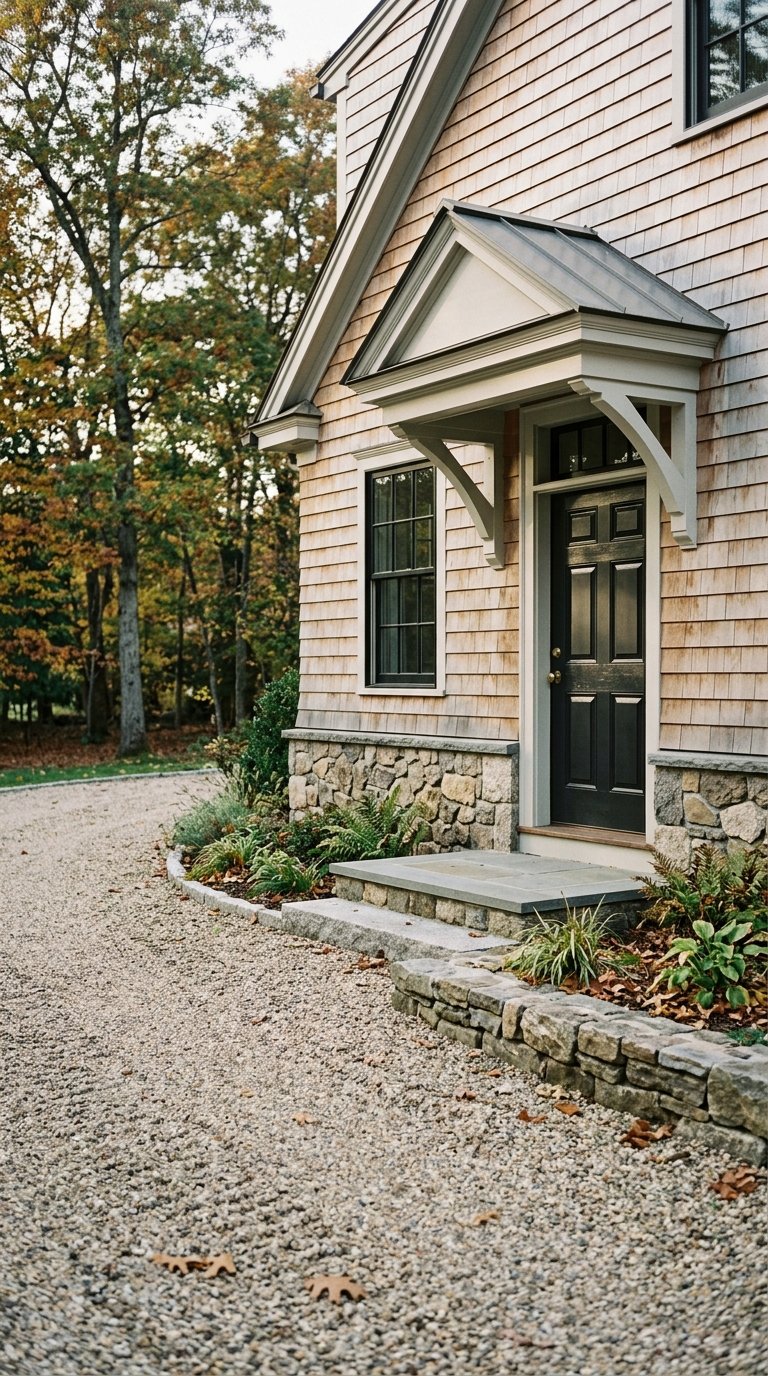
If you’re dreaming about life near Newfound Lake, one big question usually comes up fast: should you build a home in Hebron, or buy one that already exists? It’s an exciting choice, but it can also feel tricky when you start looking at lakefront rules, lot standards, permits, and the limited number of available properties. The good news is that each path has real advantages, and the better option often depends on your timeline, your goals, and the parcel itself. Let’s dive in.
Build or buy in Hebron
Near Newfound Lake, this decision is often less about whether a home is new or existing and more about whether the property can support what you want to do. In Hebron, zoning, shoreland rules, setbacks, septic requirements, and topography can all shape what is actually possible.
That matters even more in a small market. At the latest review, Hebron had 19 active home listings and 4 active land listings, with a median 34 days on market for homes. If you want more choices, you may need patience, whether you are shopping for a finished home or a buildable lot.
Why building appeals to buyers
Building can be the right fit if you want a home designed around the way you actually live. You can plan the layout, choose finishes, and think carefully about how the house sits on the land.
For many buyers near Newfound Lake, that custom approach is the biggest draw. If you have a clear vision and you are comfortable with a longer runway, building can give you more control over the final product.
Building gives you customization
A custom build lets you prioritize the spaces that matter most to you. That might mean first-floor living, a bunk room for guests, a mudroom for lake days, or windows positioned to capture seasonal views.
If lifestyle is the reason you are moving to Hebron, this flexibility can be hard to beat. You are not adapting to someone else’s choices. You are starting with your own needs.
Building requires more approvals
That extra control comes with more process. Hebron requires a building permit before construction starts, and the application must include a scaled lot plan showing setbacks.
Depending on the property, you may also need state septic approval, driveway approval, New Hampshire Department of Environmental Services shoreland or wetlands approvals, and floodplain paperwork. The Select Board must act within 21 days of accepting a complete application, but gathering a complete application can take time.
New lots can add more time
If your plan involves creating a new lot, subdivision review may be part of the process. Complete subdivision applications must be filed at least 15 days before the Planning Board meeting, a public hearing is required, and the board must act within 65 days of acceptance, with a possible 90-day extension.
That does not mean subdivision is a bad option. It does mean you should plan for a longer timeline and make sure your due diligence starts early.
Why buying appeals to buyers
Buying an existing home is often the faster path to enjoying the lake area. If you want to settle in sooner, avoid a long permitting process, or prefer a property where utilities and siting have already been worked through, an existing home may be the better match.
This can be especially helpful for second-home buyers or anyone managing a move from out of market. Instead of coordinating land analysis, design, and approvals, you can focus on finding a home that already fits most of your needs.
Buying can shorten the timeline
With an existing home, the site, structure, and access are already there. That can remove a lot of unknowns compared with raw land.
You still need strong due diligence, especially near the water, but the path is often more predictable. For many buyers, that added certainty is a major benefit.
Existing homes still need shoreland review
Buying near Newfound Lake does not mean you can skip the details. Waterfront and protected shoreland properties still require careful review of septic, setbacks, and approvals.
Effective September 1, 2024, transfers of waterfront properties with septic systems in protected shoreland require a professional septic evaluation by a state-licensed evaluator. If the system lacks state approval or was approved before September 1, 1989, a permitted designer may also need to determine the seasonal high water table and related system details.
Older lots may offer useful options
Some existing homes or parcels may sit on nonconforming lots. In Hebron, a nonconforming lot of record may still be built upon without a variance, as long as all other zoning requirements except lot size and frontage can be met.
That can be important in a lake-area market where many parcels were created years ago. An older lot is not automatically unusable just because it does not match today’s dimensional standards.
Hebron rules that shape your choice
Whether you build or buy, local rules matter. Around Newfound Lake, those rules can directly affect where a home can sit, how much land is usable, and what improvements are realistic.
A beautiful parcel does not always mean a simple build. Likewise, an existing home with a great location may still come with limits on future changes.
Lake District and lot standards
Hebron’s Lake District is the town’s waterfront zoning area around Newfound Lake. Its purpose is to protect scenic, recreational, and environmental values.
In the Lake and Rural districts, the minimum lot area is 2 acres of usable land. Lakefront lots must also have at least 150 feet of frontage.
Protective Buffer and setbacks
Hebron defines a Protective Buffer as the area within 50 feet of the high-water mark of Newfound Lake, Spectacle Pond, or a designated brook. Buildings must be outside that Protective Buffer.
State shoreland rules add another layer. The Shoreland Water Quality Protection Act applies within 250 feet of the reference line for lakes and ponds greater than 10 acres, sets a 50-foot primary-structure setback, and requires at least 75 feet of septic setback, while also allowing towns to be stricter.
Slopes and soils matter too
Even if a lot looks large on paper, the buildable area may be smaller than you expect. Hebron’s ordinance limits disturbance of very steep slopes and highly erodible soils.
That means survey work and site design are especially important on waterfront or sloped parcels. In some cases, the real decision is not build versus buy. It is whether the site can support the home you want.
Questions to ask before you decide
Before you choose a path, it helps to get clear on a few practical points. These questions can save time and help you compare properties more confidently.
Ask yourself:
- Do you want a custom layout, or would a well-located existing home meet your needs?
- How quickly do you want to start using the property?
- Are you comfortable with permits, site analysis, and a less predictable construction timeline?
- Is the lot conforming, or is it a buildable nonconforming lot of record?
- Will you need shoreland, wetlands, septic, driveway, or floodplain approvals?
- Would a survey help confirm setbacks and the usable building area?
A simple Hebron due diligence checklist
No matter which route you choose, the same core checks can help you avoid surprises. In a lake-area market like Hebron, these details are worth confirming early.
Use this checklist as a starting point:
- Confirm the zoning district
- Verify whether the lot is conforming or a buildable nonconforming lot of record
- Check for shoreland approvals
- Check for wetlands approvals if applicable
- Review septic status and required approvals
- Confirm driveway approval if needed
- Check whether the property is in a flood hazard area
- Ask whether a survey is needed to verify setbacks
So, should you build or buy?
If you want a home tailored to your lifestyle and you are comfortable with more permitting, more site work, and a less predictable start date, building may be the better fit. If you want to get near Newfound Lake sooner and prefer a property where the site and utilities have already been worked through, buying may make more sense.
In Hebron, the best answer usually comes down to the parcel itself. The right lot or home is the one that fits your goals while working within the town’s frontage, usable-land, shore setback, septic, and topography rules.
If you’re weighing your options near Newfound Lake, Juli Kelley can help you compare available homes, land opportunities, and the local factors that matter most in Hebron.
FAQs
Should you build or buy near Newfound Lake in Hebron?
- If you want customization and can handle a longer approval process, building may be a better fit. If you want a faster, more predictable path, buying an existing home is often the simpler option.
What are Hebron lot requirements near Newfound Lake?
- In Hebron’s Lake and Rural districts, the minimum lot area is 2 acres of usable land, and lakefront lots must have at least 150 feet of frontage.
What is the Protective Buffer in Hebron?
- Hebron’s Protective Buffer is the area within 50 feet of the high-water mark of Newfound Lake, Spectacle Pond, or a designated brook, and buildings must be outside that buffer.
What permits are needed to build a home in Hebron?
- A building permit is required before construction, and the application may also require a scaled lot plan plus septic, driveway, shoreland, wetlands, or floodplain-related approvals depending on the property.
What septic rule applies to waterfront home sales in protected shoreland?
- Effective September 1, 2024, transfers of waterfront properties with septic systems in protected shoreland require a professional septic evaluation by a state-licensed evaluator, with additional designer review in some older or unapproved system cases.
Can you build on a nonconforming lot in Hebron?
- Yes, a nonconforming lot of record may be built upon without a variance if all other zoning rules besides lot size and frontage can still be met.