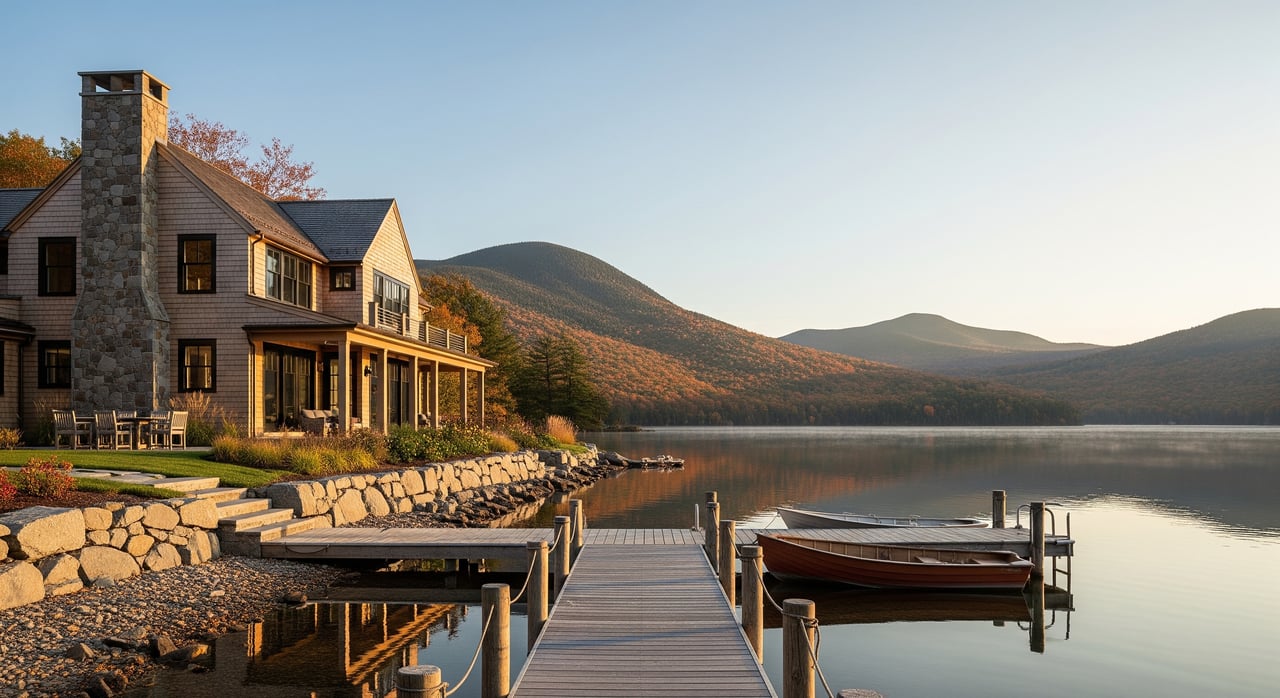
Thinking about a quieter New Hampshire town where lakes, trails, and small-town rhythms shape daily life? New Hampton sits in the heart of the Lakes Region, tucked between Plymouth and the Meredith-Laconia area, and offers a relaxed pace with quick access to bigger services when you need them. If you want space, scenery, and year-round recreation without being far from essentials, this guide will help you picture daily life here. You will learn about housing styles, commutes, seasons, and the practical details that matter before you move. Let’s dive in.
Where New Hampton fits in the Lakes Region
New Hampton is a small, rural town in Belknap County. You feel the slower pace right away. Most neighborhoods are low density, with homes set on larger lots and quiet roads. The community centers around town institutions, local events, and seasonal outdoor activities.
Living here puts you near regional hubs for work, healthcare, shopping, and schools. You are close to Plymouth in one direction and Meredith and Laconia in the other, with Concord and Manchester farther to the south. Town services and meeting information are available through the Town of New Hampton, and you can get a broader demographic snapshot from the U.S. Census Bureau’s American Community Survey.
A key institution in town is the New Hampton School, a private preparatory school with a long history. It adds energy to the community calendar and is a local landmark.
Housing and lots you’ll find
Common home styles
You will see a classic New England mix:
- Historic Colonials, Capes, and farmhouses with character details.
- Mid-century ranches and traditional single-family homes in smaller subdivisions.
- Newer construction tucked into wooded settings, often on multi-acre parcels.
- Seasonal cottages and year-round homes in nearby lake communities across the wider region.
Many properties offer privacy and trees. If you want space for gardens, a workshop, or a small hobby setup, you will find many options.
What to check before you buy
Rural properties are rewarding, but they come with a few extra questions. For each listing, ask about:
- Road and driveway access. Is it a town-maintained year-round road, or a private or seasonal road? How is winter plowing handled?
- Water and sewer. Many homes use private wells and septic systems. Confirm age, service records, and capacity.
- Utilities and heating. Determine fuel type and typical heating costs. Ask about generator setup and roof snow-load history.
- Zoning and permits. Review setback rules, accessory dwelling unit options, and any conservation easements with the planning board.
- Waterfront rules. If shorefront or near water, confirm access rights and review state shoreland protections with the New Hampshire Department of Environmental Services.
For live market stats such as median sale price, inventory, and days on market, your agent can pull the latest figures from the MLS and the New Hampshire Association of Realtors.
Getting around and commute patterns
Local driving
New Hampton connects to regional corridors that lead to Plymouth, Meredith, Laconia, Franklin, and Concord. Daily commuting within the Lakes Region is common, while commuting to Greater Boston is possible but long and not typical for most residents. Before you set a routine, check traffic and road projects with the New Hampshire Department of Transportation and test-drive your route at commute hours.
Remote and hybrid work are common in rural New Hampshire. If you plan to work from home, confirm service with your chosen providers and check the FCC Broadband Map to understand coverage options for your address.
Public transit
Like many rural towns, New Hampton has limited fixed-route public transit. Regional buses connect larger centers, but most residents rely on personal vehicles. If you prefer park-and-ride or bus-to-city options, you will find more choices in larger nearby towns.
Four seasons of recreation
Lakes and water access
You are in the Lakes Region, with access to well-known water bodies across the area. Warm months bring boating, paddling, swimming, fishing, and lakeside dining. Public launches and beaches are managed by towns and state agencies. If you are considering a waterfront or water-adjacent property, review shoreland rules and any water quality notices with NHDES.
Fishing is popular here, from spring through ice season. For licenses and season details, check New Hampshire Fish & Game.
Trails, ski areas, and winter fun
Hiking trails and conserved lands are spread across the Lakes Region and nearby foothills. In winter, you can downhill ski, snowboard, cross-country ski, snowshoe, and snowmobile in the surrounding region. A well-known area resort is Gunstock Mountain Resort, which offers alpine skiing, snow sports, and summer activities.
Living here means living with the seasons:
- Spring brings thaw and mud season. Expect some bumpy, soft roads on back routes.
- Summer is peak lake time, with more visitors and weekend traffic on popular corridors.
- Fall foliage runs roughly September through October and draws sightseers to the region.
- Winter is cold and snowy for months. Budget for heating and plan for snow removal.
Daily conveniences and services
Groceries, retail, and dining
In town, you will find limited day-to-day services and small businesses. Full-service supermarkets, pharmacies, and big-box stores are located in nearby regional hubs such as Meredith, Laconia, Plymouth, and Concord. Dining ranges from local diners and cafés to seasonal lakeside spots and casual pubs throughout the Lakes Region.
Healthcare access
For urgent care and hospital services, residents typically go to larger nearby towns and small cities. The closest hospital centers are in Laconia, Concord, or Plymouth. Emergency services in rural towns are often volunteer-based, so response logistics may differ from urban areas. For specific providers, confirm coverage with your insurer and the nearest health network location that fits your needs.
Utilities and broadband
Most properties rely on private wells and septic systems. Heating fuels include oil, propane, electricity, and wood. Plan your delivery schedule before winter and ask sellers for recent utility history. Internet options vary by street. Check the FCC Broadband Map and confirm speeds with local carriers at the property level.
Schools and education
Public school assignments are set by local districts and the state. You can verify current assignments, programs, and reports through the New Hampshire Department of Education and the town website. New Hampton is also home to the New Hampton School, a private preparatory school that hosts academic and community events.
Costs and practical planning
New Hampshire funds many local services with property taxes and does not have a state income tax or a general sales tax on most goods. Property tax rates vary by town and change annually. Ask your agent to review the most recent rate and the current assessed value for the property type you are considering. The town’s tax assessor pages at the Town of New Hampton are a good starting point.
For rural homes, plan early for winter. Confirm who plows the driveway, where plow trucks turn around, and whether the home has a backup generator. Ask about ice dam history, roof age, and any drainage improvements. If you are considering lakeside or river-adjacent homes, request FEMA flood maps and review shoreland rules with NHDES before you finalize plans for docks, tree removal, or shoreline work.
If you are buying with rental potential in mind, discuss short-term rental rules with the town and verify insurance requirements with your provider.
Is New Hampton a fit for you?
You will enjoy New Hampton if you want a calm daily rhythm, room to spread out, and easy access to Lakes Region recreation without a far drive to bigger services. Life here rewards planning for winter, keeping a flexible commute plan, and embracing a four-season outdoor lifestyle. If that sounds like your kind of balance, New Hampton is worth a closer look.
When you are ready to see properties, compare neighborhoods, or talk through your needs, connect with a local expert who knows the market. If you want a hands-on, concierge experience from search to close, reach out to Juli Kelley.
FAQs
What is daily life like year-round in New Hampton?
- Expect a quiet, low-density setting with community life anchored by town institutions, seasonal recreation, and regional events; summer and fall weekends see more visitor traffic.
How realistic is commuting from New Hampton to nearby job centers?
- Many residents drive to Plymouth, Meredith, Laconia, Franklin, and Concord, while daily trips to Greater Boston are less common; check your route with the New Hampshire Department of Transportation and test-drive at commute times.
Which public schools serve New Hampton students?
- Assignments are set by the local district and state; verify current placements and reports through the New Hampshire Department of Education and the town website.
What housing styles and lot types are most common in New Hampton?
- You will find historic Colonials and Capes, ranches, newer single-family homes, and properties with larger wooded lots, plus seasonal and year-round homes in nearby lake communities.
How close is New Hampton to lakes, hiking, and skiing?
- You have regional access to Lakes Region waters, trail systems, and ski areas such as Gunstock Mountain Resort; confirm specific distances to your preferred launches and trailheads.
Is broadband reliable enough for remote work in New Hampton?
- Coverage varies by road; confirm providers and speeds at the property level and check the FCC Broadband Map for availability.
What should I know about shoreland and waterfront rules before buying?
- Review access rights and state protections with the New Hampshire Department of Environmental Services, and ask the town about any local ordinances or permits.
Where can I find current market data for New Hampton real estate?
- Ask your agent for MLS-based stats and consult the New Hampshire Association of Realtors for statewide trends that provide context for local pricing and inventory.